Why summer breaks restaurant systems
Heat does not create new problems, it exposes the ones that were already there, all at once, across every kitchen in your service area.
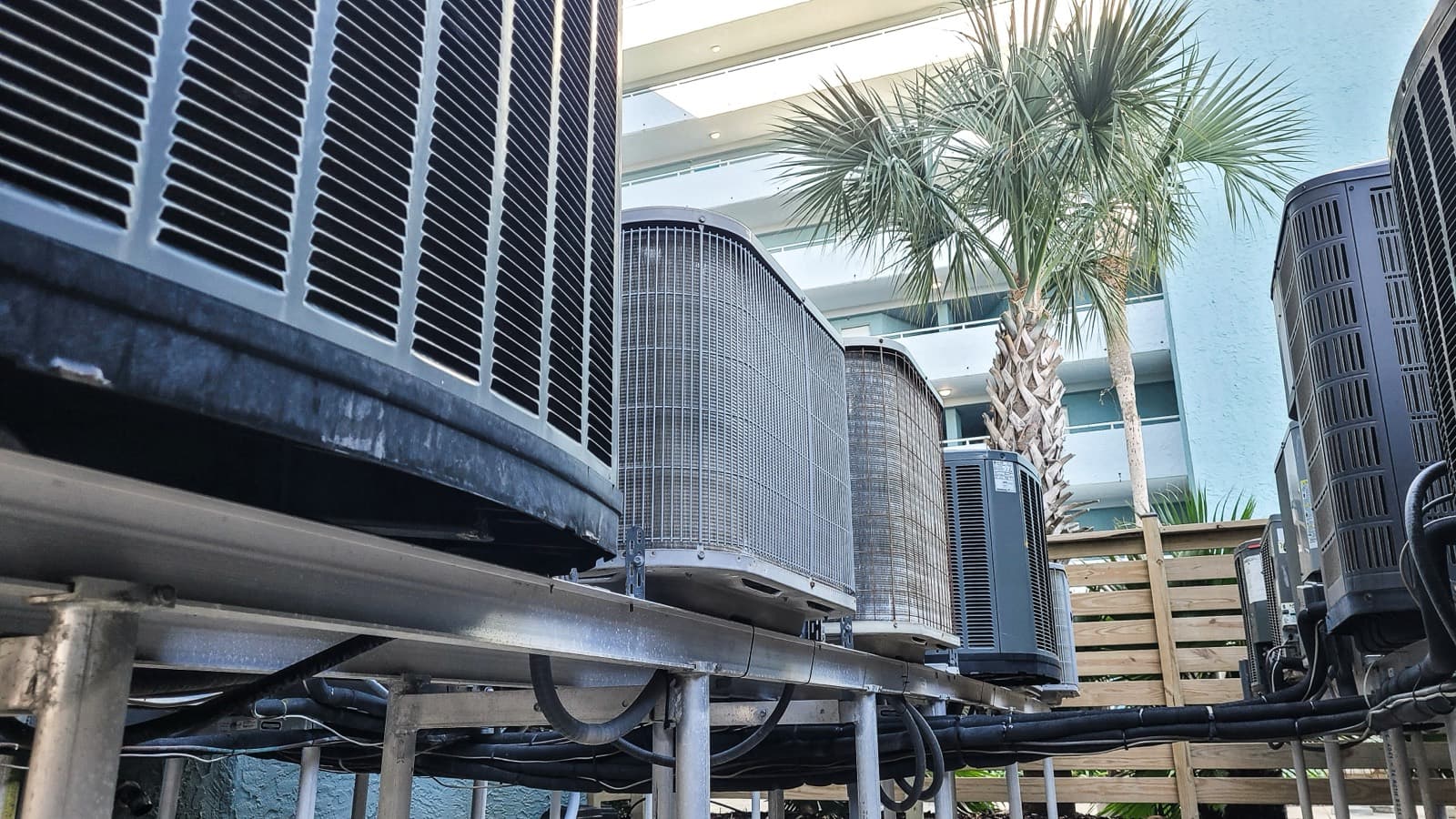
- Refrigeration runs harder, a higher ambient temperature means condensers work overtime to reject heat, and a coil that was marginal in March cannot keep up in July.
- HVAC and kitchen heat stack up, the cook line is already throwing heat, add a 100-degree afternoon and the rooftop unit that limped through spring gives out during the dinner rush.
- Everything fails at once, the same heat wave that takes out one walk-in takes out a dozen, so the emergency you could have prevented in spring becomes a three-day wait in summer.
The failures are predictable and the timing is predictable, which means they are preventable. The contractor who knows that books the work before the heat instead of chasing it during.
The pre-summer checklist
A spring service visit, done before the first heat wave, catches the failures that otherwise become July emergencies.
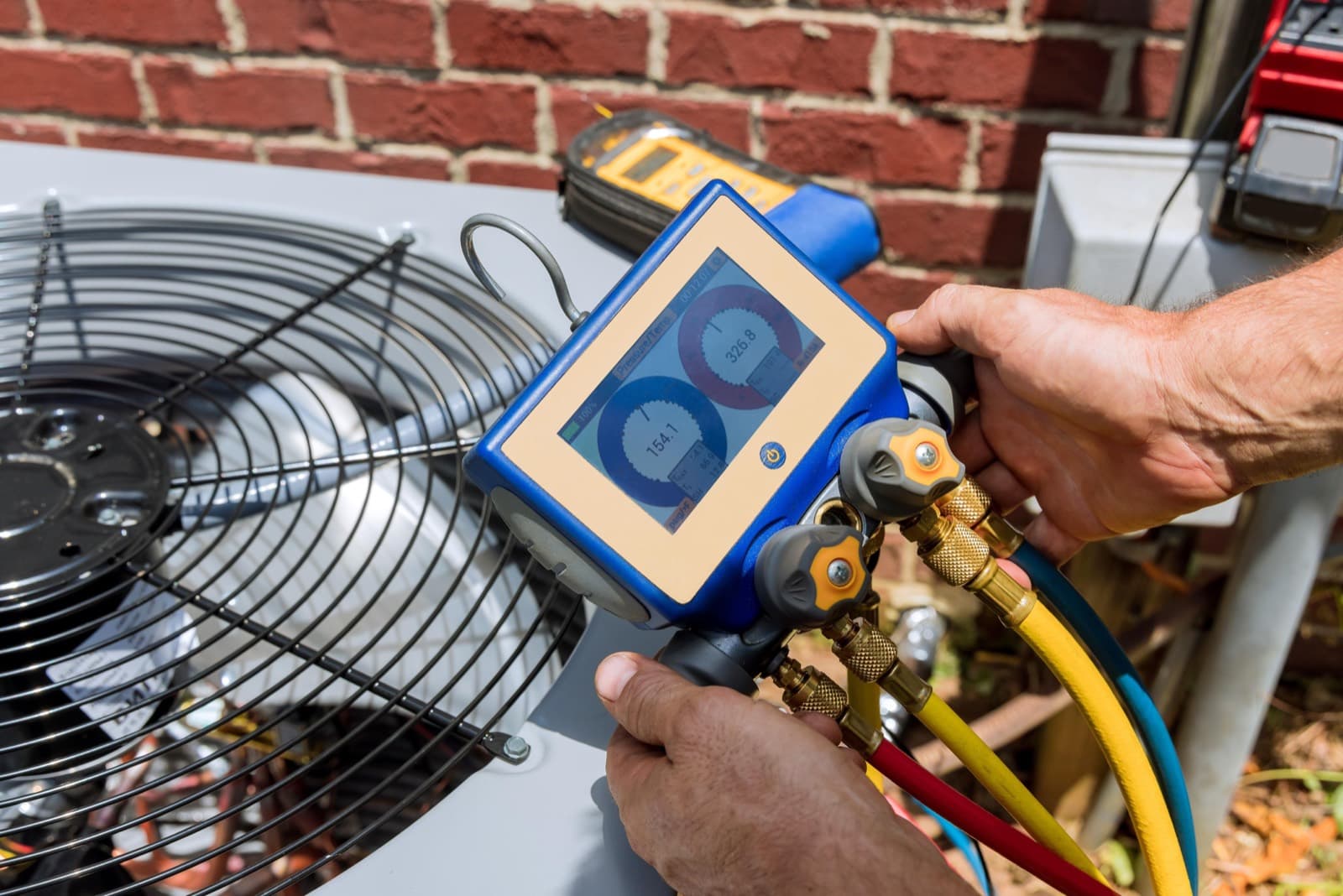
- Clean the condenser coils, refrigeration and HVAC both, a clean coil is the single highest-value thing you can do before summer, it drops head pressure and keeps the compressor alive.
- Verify the refrigerant charge, a slow leak that held through a mild spring will not hold through a heat wave, check it now.
- Check doors, gaskets, and seals, a torn walk-in gasket or a failing door closer makes the system fight the heat all day, replace it before the load spikes.
- Service the HVAC, filters, blower, capacitors, and the rooftop unit, the parts that fail under peak load, plus the make up air unit that the kitchen depends on.
- Test the controls, thermostats, defrost timers, and alarms, so a small fault is caught on a service visit, not on a 95-degree Saturday night.
None of it is exotic, it is the basic prevention that almost no one does until it is too late, which is exactly why the contractor who offers it stands out.
Plan pricing and capacity for the rush
Summer is a capacity problem before it is a demand problem. The work is there, the question is whether you can deliver it without burning out your crew or your reputation.
- Book the prevention early, filling spring with scheduled PM smooths your year and reserves your summer for the emergencies you cannot prevent.
- Protect your response promise, do not promise a two-hour response to everyone, the clients on a maintenance schedule should jump the line, that priority is what they are paying for.
- Staff for the peak, know your real capacity before you take on more accounts than your crew can cover in a heat wave, an over-promised summer costs you the relationships you built all year.
The contractor who plans the season delivers in July, and the one who does not spends the summer apologizing. Capacity, not effort, is what separates them.
Turn the season into a contract
The pre-summer visit is the most natural lead-in to a recurring agreement you will get all year, because the owner is feeling the risk right before the season.
- Pitch it in spring, when the owner remembers last summer’s breakdown, the value of a schedule is obvious and the timing sells itself.
- Bundle spring and fall, a pre-summer and a pre-winter visit is a simple, year-round agreement that keeps you in the kitchen and keeps the systems healthy.
- Become the default before the heat, the contractor already on a schedule is the one who answers first when something does fail, that priority relationship is the whole point.
A season of prevention is worth more than a season of emergencies, to the owner and to you. Turning the summer rush into a standing schedule is how a contractor stops chasing heat-wave calls and starts owning a book of business, and the kind of work worth showing on a license-verified SearchLocalPro profile.