What winter breaks in a restaurant
Cold weather stresses a different set of systems than summer does, and they fail at the worst time, the holiday rush when the dining room is full.
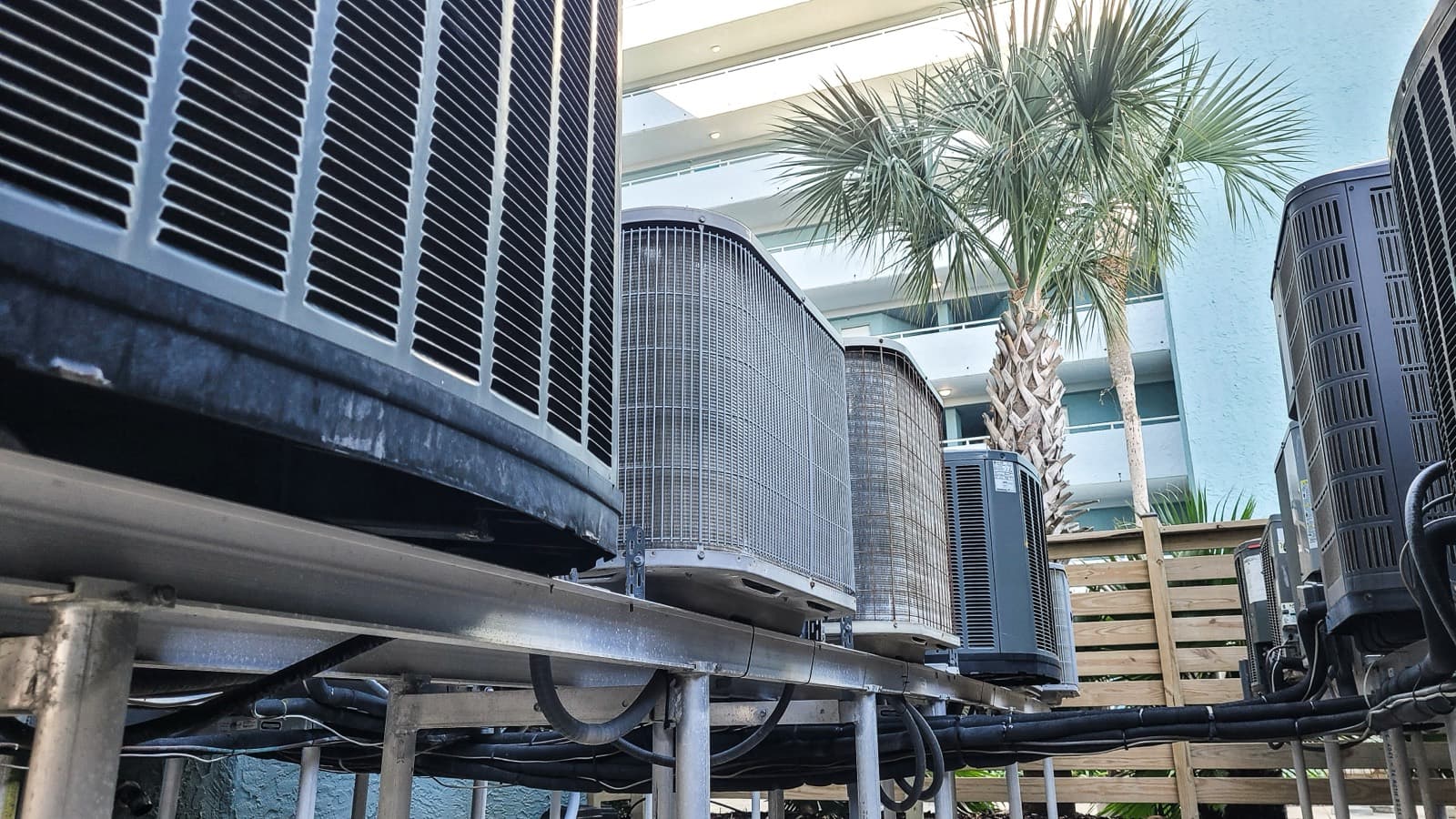
- Heating and rooftop units, a furnace or rooftop unit that coasted through fall fails on the first cold night, the season it is needed most is the season it quits.
- The make up air unit, the commercial kitchen exhaust system pulls in outside air, and in winter a make up air unit that does not heat that air properly dumps cold air over the cooks and freezes the front of the house.
- Exposed and rooftop pipes, water lines on a roof or an exterior wall freeze and burst, even in California a cold snap finds the one unprotected pipe.
- Doors, seals, and drafts, a dock door or a worn seal that was fine in summer is a heat-loss and comfort problem when it is cold, and it makes every other system work harder.
None of these announce themselves until the cold arrives. The pro who knows the winter failure list checks them in October, the one who does not meets them in December at 9pm.
The pre-winter checklist
A fall service visit is cheap insurance against a holiday emergency. Walk the systems that winter targets before the first cold night.
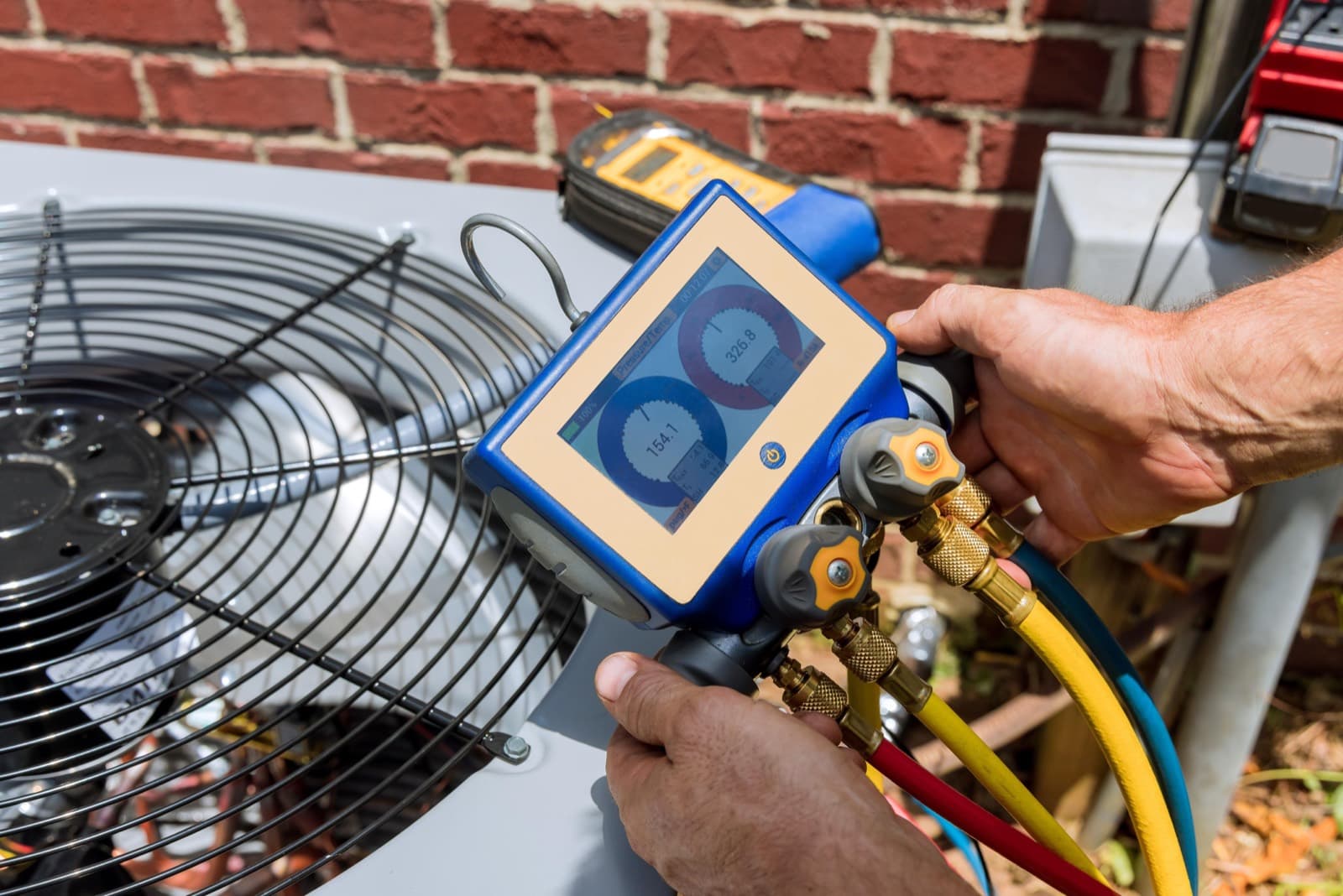
- Commission the heat early, fire up and test every heating unit before it is needed, finding a failed igniter or heat exchanger in October is a scheduled repair, finding it in December is an emergency.
- Verify the make up air unit heats, confirm the make up air unit is warming the incoming air, not just moving it, a cold kitchen line in winter is a miserable and avoidable problem.
- Protect the vulnerable pipes, insulate, heat-trace, or drain the exposed and rooftop lines before the snap, a burst pipe over a closed kitchen is a far bigger bill than the prevention.
- Check the rooftop units and drafts, service the rooftop equipment and seal the doors and gaps while it is still mild, so the system is not fighting the building all season.
Every item on this list is a scheduled repair now or an emergency later. The checklist is how you sell the planned work and spare the customer the panic call.
Plan for the holiday rush
Winter is not just cold, it is the busiest weeks of the year for a lot of restaurants, and that changes how you should plan your own schedule and pricing.
- Get ahead of the calendar, the work you book in fall is the work you are not cramming into the two weeks every other contractor is also slammed, planned beats reactive every time.
- Know your after-hours terms, holiday and overnight emergency work carries different rates and availability, set them clearly before the season, not in the middle of a 10pm call.
- Stock the winter failures, igniters, heat exchangers, belts, and the parts that fail on cold-weather equipment should be on the truck before December, not back-ordered during it.
- Protect your own capacity, you cannot serve every emergency in the same week, the standing customers who did their fall maintenance are the ones who should come first.
The contractor who planned the season is calm in December. The one who did not is exhausted, overbooked, and burning goodwill on calls they could have prevented in October.
Turn the season into a contract
Seasonal readiness is the natural opening for the recurring relationship every commercial pro wants, because the customer just felt exactly why it matters.
- Bundle the fall and spring visits, a pre-winter and pre-summer checkup as one maintenance agreement covers both seasonal risks and gives you predictable, planned work twice a year.
- Show the math of prevention, the cost of a fall visit against one frozen pipe or one holiday-night no-heat call makes the agreement sell itself.
- Use the visit to plan ahead, the aging furnace you flagged this winter is next year’s planned replacement, the relationship turns emergencies into scheduled projects.
- Be the pro who called first, reaching out in early fall, before the customer thinks about it, is what makes you their contractor instead of whoever answers the emergency line.
The season that breaks the most systems is also the best argument for a maintenance agreement. The contractor who turns winter readiness into a standing contract is the one building a business, not just chasing emergencies, and the kind of license-verified pro SearchLocalPro is adding to its California directory.