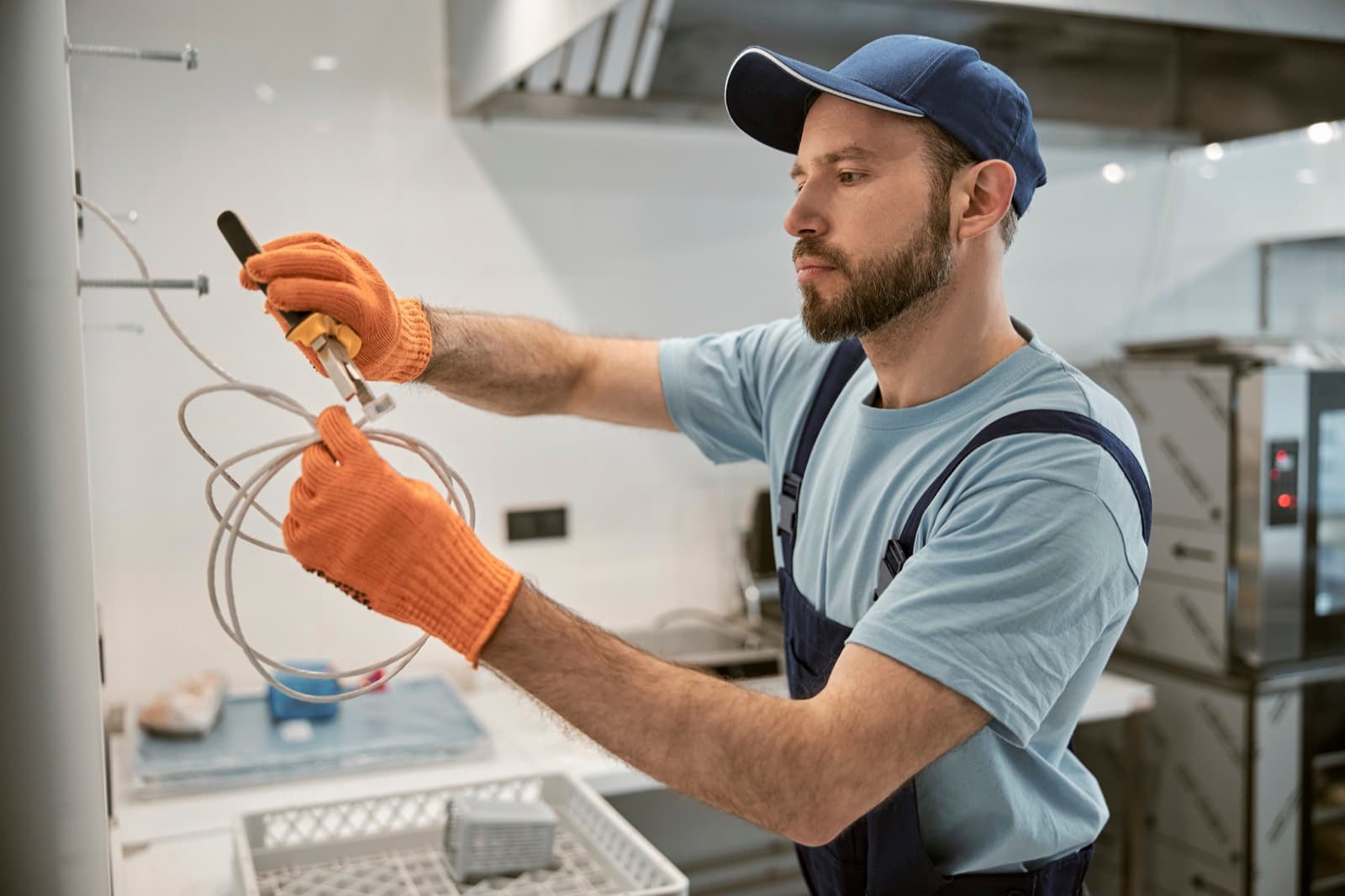
Why hospitality is built for recurring maintenance
Hospitality is one of the few commercial segments where maintenance is not optional, it is a condition of staying open.
- Code and inspection cadence, NFPA 96 sets exhaust cleaning frequency by cooking volume, and the health department expects a maintained kitchen, this is recurring by law, not by preference.
- Equipment that fails closes the business, refrigeration, HVAC, and exhaust are not conveniences in a restaurant or hotel, when they go down the revenue stops, so prevention is cheaper than the emergency.
- Seasonal load, summer hammers refrigeration and HVAC, and a facility that has a contractor on a schedule is not the one calling around for an emergency in a heat wave.
Every one of those needs is a reason for a facility to keep a contractor on retainer instead of rolling the dice on whoever answers the phone. Your job is to be the contractor on the schedule.
Find the person who actually signs
The most common reason a maintenance agreement stalls is pitching the wrong person. In hospitality the signer depends on the size of the operation.
- Single independent restaurant, the owner or the general manager signs, and they are usually the one who felt the pain of the last breakdown, lead with uptime, not features.
- Hotel or larger facility, the facilities or maintenance manager owns the relationship and the GM or owner approves the budget, you need both, the manager to specify and the principal to sign.
- Multi-unit or regional group, a regional facilities manager or a property manager buys for many locations at once, landing one of these is landing a route, not a customer.
Get past the gatekeeper by leading with the cost of downtime and the inspection they are responsible for, not with your truck count. The decision-maker in hospitality buys peace of mind and a clean inspection, sell those.
Structure an agreement they will keep
A maintenance contract that renews is one the facility sees value in every month, not just a line on an invoice. Structure it so the value is visible.
- Scope and schedule, define the preventive visits, what each covers, and the cadence, tie it to the code cadence (NFPA 96, refrigeration, HVAC) so the agreement also keeps them compliant.
- Response and priority, the real value of a contract is that the facility goes to the front of the line in an emergency, a defined response window and priority dispatch is what they are paying to protect.
- Included vs additional, be clear about what the agreement covers and what is billed separately, parts, after-hours, major repairs, so there are no surprises that sour the renewal.
- Reporting, leave a service record after every visit and a simple summary the manager can hand up the chain, the documentation is what justifies the renewal at budget time.
Structure it in tiers if it helps the facility say yes, but let the value, avoided downtime and a clean inspection, carry the conversation. The contractor who shows the value keeps the contract.
Turn one project into a contract
The best time to land a maintenance agreement is the moment you have just proven you are worth it.
- Pitch at completion, right after you pass an inspection, clear a red-tag, or save a kitchen on an emergency, the value is fresh and the owner is listening, that is the moment to propose the schedule.
- Bundle the recurring need, you already know what this kitchen needs on a cadence, exhaust cleaning, refrigeration service, filter changes, package it as one agreement instead of a series of one-off calls.
- Become the default call, a maintenance log with your name on it, left on site after every visit, makes you the obvious contractor when something else breaks, that is how a contract becomes a relationship and a relationship becomes referrals.
One project, scoped well and finished clean, is the start of a recurring relationship, not the end of a job. That is the difference between chasing the next project and building a book of business, and the kind of work worth showing on a license-verified SearchLocalPro profile.