Size the demand, not the heater on the wall
A commercial kitchen’s hot-water demand is nothing like a home’s, and matching the old heater’s label is how you undersize the replacement. Real sizing adds up what the kitchen actually draws.
- The fixtures and the machine, the dish machine, the pre-rinse, the hand sinks, and the prep sinks each pull hot water, and the dish machine is often the biggest and most demanding draw.
- Peak demand, not average, a kitchen does not use hot water evenly, it slams it during the rush and at close, size for the peak or the kitchen runs out exactly when it is busiest.
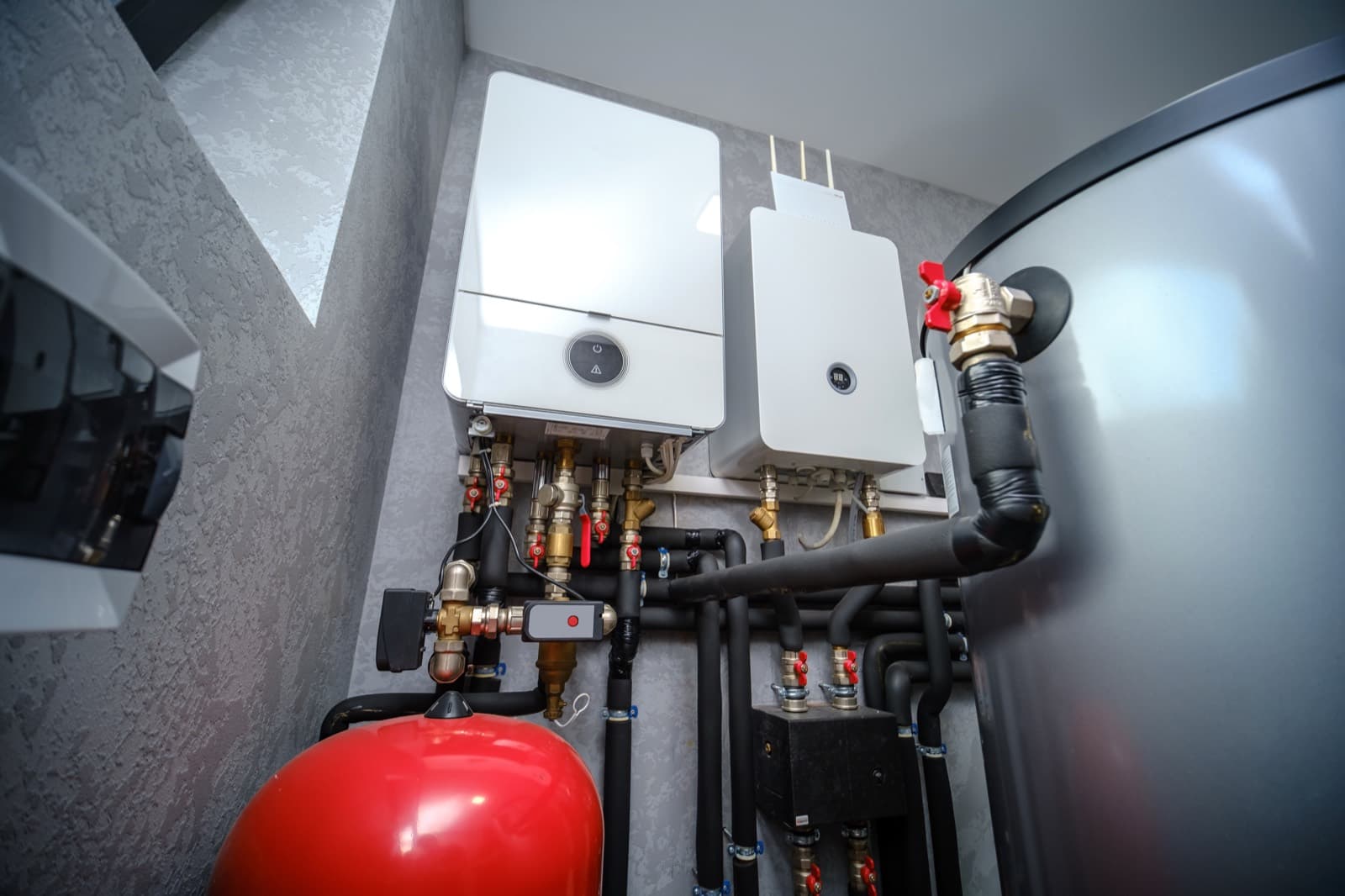
- Recovery and storage, the system has to reheat fast enough to keep up, the balance of tank size and recovery rate is the heart of getting it right.
- Temperature requirements, different fixtures need different temperatures, and the sanitizing dish machine needs the hottest, which is where the booster heater comes in.
Undersize it and the kitchen runs cold mid-rush and cannot sanitize, oversize it and the customer pays for capacity and energy they never use. The specialist sizes the demand, the generalist matches the sticker on the old tank.
The booster heater and the sanitization it protects
The single most important detail in commercial dishwashing is the sanitizing temperature, and on a high-temp machine that is what the booster heater exists to deliver.
- Why the booster exists, a high-temperature dish machine has to reach a sanitizing rinse temperature the building’s main hot water usually cannot hit, the booster heater raises that final rinse to the required temp.
- High-temp vs chemical sanitizing, some machines sanitize with heat and need the booster, others sanitize chemically at lower temperatures, knowing which system you are working on changes the whole job.
- It is a health-code line, sanitization temperature is a health-department requirement, a booster that underperforms is not just an inconvenience, it is a failed inspection waiting to happen.
- Confirm the current requirements, the specific sanitizing temperatures and the rules are set by code and the health authority, so confirm the current California requirements for the machine you are servicing rather than going by memory.
The booster heater is where water heating stops being plumbing and becomes food safety. The contractor who understands that is the one the health-conscious operator keeps on call.
The failures that close a kitchen
Hot-water and dish-machine failures tend to come from a predictable short list, and most trace back to one enemy, scale.
- Scale and hard water, mineral scale is the number-one killer of commercial water heating, it coats heating elements and booster heaters, kills efficiency, and shortens equipment life, water treatment is part of the system, not an extra.
- The booster underperforming, a scaled or failing booster that no longer reaches sanitizing temperature is a silent health-code failure until the inspector finds it.
- Recovery falling behind, a heater that cannot keep up with peak demand leaves the kitchen cold mid-service, often a sign of scale, a failing element, or a system that was undersized to begin with.
- Leaks, valves, and relief, a leaking tank, a failed mixing valve, or a temperature-and-pressure relief problem is both a safety issue and a shutdown risk.
Almost all of it is preventable with water treatment and regular service. The specialist who knows scale is the real enemy fixes the cause, the generalist keeps replacing elements and wondering why they fail.
Bid the system, then own the maintenance
Like refrigeration, commercial hot water is equipment a kitchen cannot run without, which makes the install the beginning of a relationship, not the end of a job.
- Bid the whole system, the heater, the booster, the water treatment, and the recovery sized to the real demand, a bid that leaves out the softener or the booster is a bid that fails in a year.
- Sell the water treatment, in hard-water areas the softening and descaling is what protects the equipment you just installed, and it is the easiest maintenance line to justify.
- Put the sanitization on a schedule, regular checks that the booster still hits temperature protect the operator from a failed inspection and put you in the kitchen on a recurring basis.
- Be the system’s pro, the contractor who installed and maintains the hot-water system is the obvious call for the next one and for the dish machine that ties into it.
A hot-water system bid right and maintained well is a kitchen that never has to think about it, and a contractor with a standing account. That is the kind of license-verified specialist SearchLocalPro is adding to its California directory.